
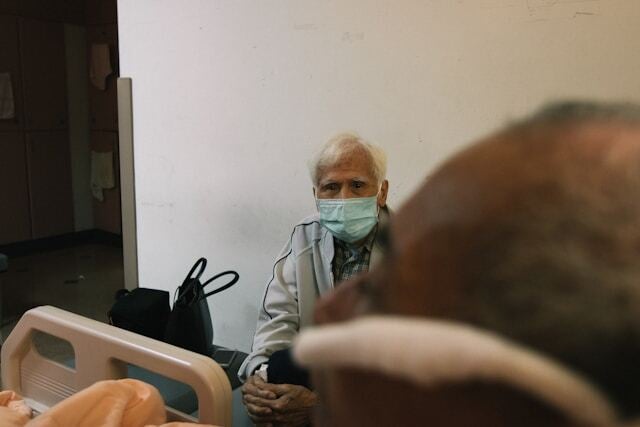
When families place a loved one in a nursing home, they do it with the hope that trained professionals will keep that person safe, supervised, and properly cared for. Unfortunately, choking and asphyxiation incidents remain far more common in long-term care settings than most people realize. These events are terrifying, often preventable, and frequently the result of shortcuts in staffing, training, or supervision.
At Bautista LeRoy LLC, we represent families in St. Louis and throughout Missouri in cases involving nursing home neglect, including choking and asphyxiation injuries. Over the years, we have seen many of the same patterns repeat themselves. Once you understand how and why these events happen, you can better protect your family member—and recognize when a facility's excuses simply fail to add up.
Why Nursing Home Residents Are Especially Vulnerable
Choking is a known, predictable risk in nursing homes. Many long-term care residents have medical conditions that affect their ability to chew, swallow, or sit upright. Others have cognitive impairments that lead to forgetting safety instructions or rushing through meals.
Common risk factors include:
- Dysphagia, or difficulty swallowing
- Dementia or Alzheimer's disease
- Parkinson's disease
- Stroke-related weakness
- Neuromuscular disorders
- Fatigue or reduced alertness due to medication
When nursing homes admit residents with any of these challenges, they are legally required by state and federal law to perform a thorough assessment and create a specific plan to keep them safe. Missouri courts have recognized this obligation when they have held that nursing homes have an obligation to provide the services “reasonable and necessary” to maintain a resident's health and safety. This required plan often includes modified diets, supervised meals, positioning protocols, and staff trained in how to respond to choking.
When those steps are skipped or ignored, the risk of harm skyrockets.
How Choking Incidents Happen in Facilities
In most cases we investigate, choking is not caused by a sudden, unpredictable event. Instead, it is the outcome of one or more preventable system failures.
1. Inadequate Supervision During Meals
A resident with swallowing difficulties should never be left alone with food. Missouri regulations require nursing homes to provide adequate dining supervision and ensure residents who require feeding assistance receive it. Yet understaffing means some dining rooms have one aide trying to watch ten or more residents. That is not adequate supervision.
When a resident starts coughing or struggling to swallow, there must be someone present who notices the problem immediately. Seconds matter. When the facility fails to provide the required supervision and a resident, the facility is negligent.
2. Improper Diet or Food Preparation
Residents with dysphagia often require:
- Pureed foods
- Mechanical soft diets
- Thickened liquids
Facilities sometimes cut corners by serving whatever is convenient or available instead of what the resident is prescribed. Even one meal with the wrong texture can be dangerous.
We have seen cases where:
- A pureed diet resident is served whole meat or vegetables
- Liquids are handed out without thickening
- Staff guess at diet orders rather than checking the chart
These are not small mistakes—they are life-threatening ones.
3. Lack of Staff Training
Every staff member who assists at mealtime should be trained to:
- Recognize early signs of choking
- Properly position a resident for eating
- Cut food to safe sizes
- Use thickening agents
- Perform a safe and effective emergency response
When facilities rely on temporary staff, untrained assistants, or employees who are rushed, these steps get skipped. The results can be devastating. Under Missouri law, when a nursing home knows it has inadequate staff for its resident population and fails to fix it, the facility can be held accountable for the harm. This is classic “profits over people.”
4. Poor Positioning
Even the right diet can be dangerous if a resident is not properly positioned. A resident should be upright and supported during meals and remain upright for a period afterward. When staff feed a resident lying in bed or slumped in a wheelchair, the risk of aspiration increases dramatically.
5. Delayed Emergency Response
Time is everything in a choking incident. The brain can begin losing oxygen within minutes. We have seen cases where:
- No one in the room knew how to perform a safe intervention
- Staff panicked and froze
- No one called 911 promptly
- Emergency procedures were done incorrectly
- There was no functional suction equipment available
These delays often mean the difference between a scare and a tragedy.
Warning Signs You Should Not Ignore
Families often pick up on problems long before a major event occurs. If you notice any of the following in your loved one, speak up immediately:
- Coughing or choking during meals
- Food coming back up after swallowing
- Repeated pneumonia or respiratory infections
- Unexplained weight loss
- Refusal to eat or drink
- Meals left untouched
- Food consistency that looks wrong for their diet
If the facility brushes off your concerns, that is a red flag. “He does this sometimes” or “She just eats fast” is not a safety plan.
Why Choking and Asphyxiation Cases Are Often Preventable
The truth is simple: nursing homes should expect swallowing problems. They should be prepared for them. They should train for them. They should staff for them.
These obligations are recognized by Missouri regulations. Nursing homes in Missouri are required to provide (1) dining room supervision when residents require assistance, (2) immediate assistance for residents who need help with meals, and (3) training in emergency procedures such as the Heimlich maneuver.
Facilities that invest in proper assessments, training, and supervision generally prevent these events. Facilities that cut corners often do not.
Choking and asphyxiation do not typically happen because a resident acted unpredictably. They happen because the nursing home failed to follow basic, well-known procedures.
What Families Should Do After a Choking Incident
If your loved one suffered a choking or asphyxiation event—whether they survived or did not—there are immediate steps you should take. Even if the facility downplays what happened, treat the situation seriously.
1.Request the medical records immediately
That includes the care plan, diet orders, incident report, and staffing logs. Don't rely on verbal explanations.
2.Ask specific questions
- Who was supervising?
- What was the resident's prescribed diet?
- Was the meal prepared according to that diet?
- What was the response time?
- Were emergency procedures followed?
3.Document everything
Take photos of the room setup, the type of food served, or any positioning issues you observe.
4.Watch for changes in condition
Aspiration can lead to pneumonia or long-term breathing problems. Closely monitor your loved one in the days that follow.
5.Consult an attorney experienced in nursing home cases
These cases require reviewing medical records, interviewing staff, identifying policy failures, and analyzing whether the facility followed accepted safety practices. Families should not try to navigate this process alone.
How Bautista LeRoy LLC Can Help
Our firm has years of experience handling choking and asphyxiation cases in nursing homes. We understand the medical issues, the staffing challenges, and the internal policies facilities are supposed to follow. We know how to recognize when a facility is trying to shift blame onto the resident or hide the fact that the required supervision simply wasn't there.
When we investigate a case, we look at:
- The resident's initial assessment
- Whether risks were properly identified
- Whether the care plan matched those risks
- Whether staff actually followed the plan
- Whether the facility was staffed adequately at the time
- The emergency response and timelines
Most importantly, we guide families through the process step by step and handle the heavy lifting so they can focus on their loved one.
Final Thoughts
Choking and asphyxiation are not random accidents. They are predictable and preventable when a nursing home does its job correctly. If you believe your loved one was harmed because a facility failed to supervise, assess, or protect them, trust your instincts and ask questions.
Bautista LeRoy LLC is here to help families in St. Louis and throughout Missouri understand what went wrong, hold negligent facilities accountable, and prevent similar incidents from happening to someone else.
If you need answers, we're always available to talk.



Comments
There are no comments for this post. Be the first and Add your Comment below.
Leave a Comment